
Preparing Your Commercial Lighting for Winter Weather
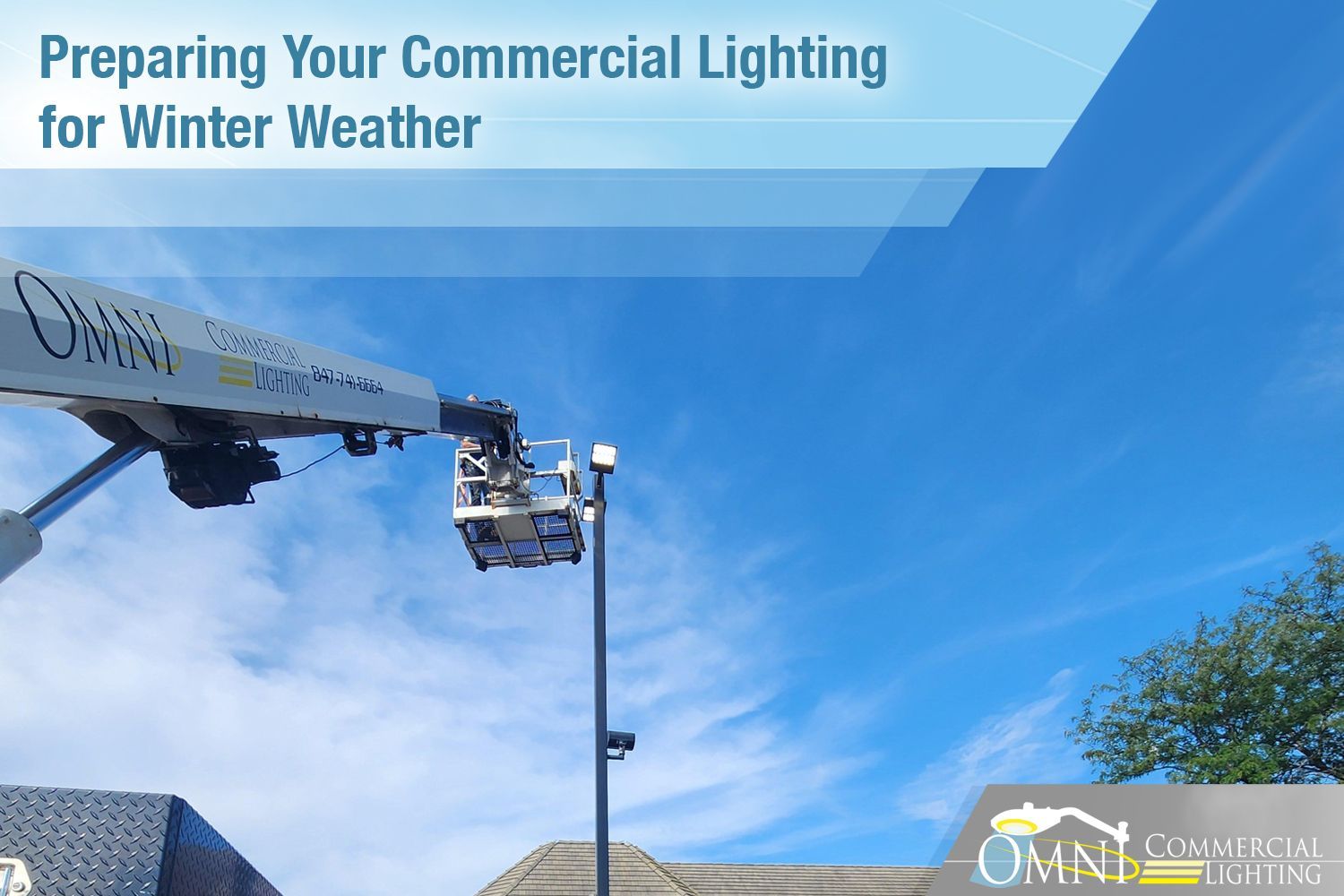
Protect Your Exterior Lighting Before Snow, Ice, and Freezing Temperatures Arrive
Winter weather can be tough on commercial properties—and your exterior lighting system is no exception.
Freezing temperatures, snow, ice, moisture, high winds, and shorter daylight hours can put additional stress on parking lot lights, building-mounted fixtures, electrical components, signage, and light poles. A
lighting problem that seems minor in October can become a much bigger issue when temperatures drop and winter conditions make repairs more difficult.
For property and facility managers, fall is the ideal time to prepare.
Taking a proactive approach to commercial lighting maintenance can help reduce unexpected outages, improve visibility, and keep your property looking professional throughout the winter months.
Here are several areas to address before winter weather arrives.
Inspect Your Exterior Lighting Before the First Snow
The best time to discover a lighting problem is before your property is covered in snow and ice.
Start by evaluating your exterior lighting after dark. Look at parking lots, entrances, sidewalks, loading areas, building perimeters, and other areas that depend on artificial lighting.
Watch for:
- Burned-out or flickering fixtures
- Noticeably dim lights
- Dark or unevenly illuminated areas
- Damaged fixture housings or lenses
- Loose fixtures
- Signs of corrosion or moisture
- Leaning or damaged light poles
Finding these problems early gives you time to schedule repairs before harsh weather makes access and service more challenging.
Check Light Poles for Damage and Stability
Parking lot light poles are exposed to the elements year-round, but winter can introduce additional stress.
Before freezing temperatures arrive, visually inspect poles and their bases for rust, corrosion, visible damage, or signs that a pole may have been struck by a vehicle.
A damaged pole shouldn't be ignored. Snow accumulation or plowing activity can also make existing damage harder to see later in the season.
If something doesn't look right, have it professionally evaluated rather than waiting for winter weather to make the problem worse.
Protect Fixtures from Snow, Ice, and Moisture
Moisture is a major concern for exterior electrical systems.
Damaged seals, cracked lenses, or compromised fixture housings can allow water into components. When temperatures fluctuate above and below freezing, that moisture can contribute to fixture damage and electrical problems.
During a fall inspection, check exterior fixtures for visible openings, cracks, loose components, and signs of water intrusion.
Addressing these problems before repeated freeze-thaw cycles begin can help protect your lighting equipment and reduce the risk of unexpected failures.
Make Sure Parking Lots and Walkways Are Properly Illuminated
Winter brings more than cold temperatures. It also brings slippery sidewalks, snow-covered curbs, reduced visibility, and longer hours of darkness.
Reliable lighting becomes especially important in:
- Parking lots
- Sidewalks
- Building entrances
- Stairways and ramps
- Loading docks
- Employee entrances
- Drive lanes
- Pedestrian crossings
Good illumination helps employees, tenants, customers, and visitors better see changes in elevation, obstacles, vehicles, and walking surfaces.
It is also important to consider snow removal. Snow piles created by plowing can sometimes obstruct lower fixtures or alter visibility across a parking lot. Lighting should be evaluated as part of your overall winter property maintenance strategy.
Don't Forget Wall Packs and Perimeter Lighting
Parking lot poles tend to get a lot of attention, but wall packs and perimeter fixtures are equally important during winter.
These fixtures help illuminate entrances, loading areas, service locations, and the sides and rear of commercial buildings.
Check that each fixture is operating correctly and providing adequate coverage. If older fixtures frequently require service or produce inconsistent illumination, replacing them with modern LED fixtures may improve reliability while reducing energy and maintenance costs.
Inspect Pylon Signs and Exterior Lettering
Earlier sunsets mean your property's illuminated signage will operate for longer periods each day.
Pylon signs, channel letters, monument signs, and other illuminated exterior signage should be inspected before winter for burned-out sections, flickering, dim illumination, or visible damage.
Properly maintained sign lighting helps customers locate your property after dark and keeps your business or tenants visible during the longest nights of the year.
Addressing sign lighting problems before winter can also prevent technicians from having to complete avoidable repairs during freezing conditions.
Test Photocells and Lighting Controls
As daylight hours change, make sure your lighting controls are responding appropriately.
Photocells should activate exterior lights when natural light levels fall. Timers and other controls should also be checked to ensure lighting isn't turning on too late or shutting off when it's still needed.
A simple control issue can leave an otherwise functional lighting system dark during critical evening or early-morning hours.
Testing these components before winter helps ensure your exterior lighting operates when you expect it to.
Consider LED Upgrades Before Temperatures Drop
If your property still relies on older lighting technology, fall may be a good time to evaluate whether continued repairs make financial sense.
Modern commercial LED lighting can offer:
- Lower energy consumption
- Longer fixture life
- Reduced maintenance requirements
- Consistent light output
- Improved exterior visibility
An upgrade doesn't necessarily mean replacing every fixture at once. A professional assessment can help identify areas where aging or inefficient equipment should be prioritized.
This can be particularly valuable for fixtures that are difficult or costly to access during winter.
Have a Plan for Winter Lighting Emergencies
Even with preventative maintenance, accidents and severe weather can still happen.
A snowplow or vehicle could strike a light pole. A winter storm could damage equipment. A fixture could unexpectedly fail during one of the longest nights of the year.
Knowing who to call before an emergency happens can save valuable time.
Property managers should have a reliable commercial lighting partner who can assess the situation, address electrical safety concerns, and develop a repair or replacement plan.
Preventative Maintenance Is Easier Than a Mid-Winter Emergency
Waiting until a parking lot goes dark during a January snowstorm isn't the ideal way to discover that your lighting system needs attention.
Preventative maintenance gives property managers an opportunity to identify aging components, damaged fixtures, electrical concerns, and other potential problems while conditions are still manageable.
Taking action in the fall can help:
- Reduce unexpected winter outages
- Maintain visibility during longer nights
- Protect lighting equipment
- Minimize emergency service calls
- Improve reliability throughout the season
- Plan repairs and upgrades before severe weather arrives
A little preparation now can make managing your property much easier when winter arrives.
Get Winter-Ready with Omni Commercial Lighting
At Omni Commercial Lighting, we help commercial property owners, property managers, and facility managers prepare their exterior lighting systems for the challenges of winter.
From parking lot lighting and pole inspections to wall packs, illuminated signage, LED upgrades, preventative maintenance, and emergency lighting repairs, our team can help identify potential problems before cold weather puts your lighting system to the test.
Don't wait for the first snowstorm—or the first outage—to find out your exterior lighting isn't ready. Contact
Omni Commercial Lighting today to schedule a lighting assessment and prepare your commercial property for the winter months ahead.